Quality Chicken Paws for Reliable Global Poultry Supply
Poultry products are an important part of the global food trade, and chicken paws have a strong market in several regions. They are valued for their texture and are commonly used in traditional dishes, soups, broths, and other food preparations. For importers and distributors, finding a dependable source is an important part of maintaining a steady supply.
Brazil has a well-developed poultry industry and is an established source of chicken products for international markets. Buyers looking for poultry products often consider factors such as product quality, processing, packaging, storage, and export support before choosing a supplier.
What Are Chicken Paws?
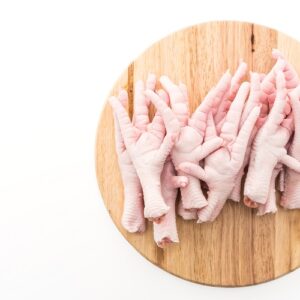
Chicken paws are the feet of chickens after the feathers and outer layers have been removed during processing. They mainly contain skin, tendons, and connective tissue, giving them a distinctive texture when cooked.
They are especially popular in markets where chicken feet are part of traditional cuisine. Depending on local preferences, they can be prepared in soups, braised dishes, steamed recipes, or spicy preparations.
Their popularity has also created steady demand in international poultry trading.
Why Are Chicken Paws in Demand?
The demand for chicken paws comes largely from culinary traditions and their versatility. In many cuisines, they are considered a useful ingredient rather than a leftover poultry part.
They can be used in:
Traditional soups
Broths and stocks
Braised dishes
Steamed recipes
Spiced preparations
Restaurant meals
Their texture changes significantly during cooking, which makes them suitable for slow-cooked dishes.
For commercial buyers, demand can vary depending on the destination market. Understanding local preferences is therefore important when planning poultry imports.
Brazilian Chicken Paws for International Buyers
Brazil is one of the world’s major poultry-producing countries. Its established farming, processing, and export industries support a broad range of poultry products.
For buyers, Brazilian poultry can be an attractive sourcing option when they need consistent supply and international shipping capabilities.
Ango Comex includes chicken products within its animal products and by-products portfolio. Its chicken range covers products such as whole chicken, chicken breast, legs, wings, mince, liver, giblets, and chicken paws.
When purchasing for international distribution, buyers should confirm the exact product specification, available quantity, packaging format, and shipment conditions before placing an order.
What Should Buyers Check?
Buying poultry internationally requires careful planning. Product quality is important, but it is not the only consideration.
Before finalizing an order, buyers should discuss:
Product Specifications
Ask about size, weight, processing method, skin condition, and other specifications relevant to the destination market.
Packaging
Packaging should be suitable for storage and transportation. Buyers should confirm carton size, weight per package, labeling, and other requirements.
Storage
Chicken paws are commonly handled as frozen poultry products. Buyers should understand the required storage temperature and cold-chain conditions.
Documentation
International poultry shipments may require health certificates, commercial documents, and other export paperwork. Destination-country regulations should always be checked before shipment.
Shipping
Delivery schedules, shipping terms, port arrangements, and transportation conditions should be clearly agreed upon.
Quality and Processing Matter
Poultry products need careful handling from processing through delivery. Good hygiene practices and appropriate temperature control help protect product quality.
For importers, it is useful to work with suppliers that can clearly explain their sourcing and processing procedures. Product details should be documented so both sides understand what is being purchased.
Ango Comex states that its chicken products are sourced from farm-raised poultry and processed in hygienic facilities. Buyers should confirm current specifications and certifications directly when discussing a shipment.
How Chicken Paws Are Used
Cooking methods vary by region. Some cuisines use chicken paws in slow-cooked soups because the connective tissue can add body to the dish. Others marinate, steam, fry, or braise them before serving.
In commercial kitchens, preparation often depends on the local recipe and customer preferences. Restaurants may use them as a specialty dish, while food processors may incorporate them into prepared foods.
This variety helps explain why chicken paws have developed a dedicated international market.
Choosing a Reliable Export Partner
A good export relationship is built on clear communication and consistent expectations. Buyers should not focus only on the initial price.
A dependable supplier should be able to discuss product availability, specifications, packaging, documentation, and shipping arrangements clearly.
For businesses purchasing larger quantities, it is also helpful to confirm minimum order requirements and expected delivery schedules before making a commitment.
Ango Comex connects Brazilian products with international buyers and offers poultry products as part of its broader export portfolio.
Conclusion
Chicken paws are an important poultry product in several international food markets. Their distinctive texture and culinary versatility make them popular for soups, broths, braised dishes, and traditional recipes.
For importers and distributors, successful sourcing depends on more than product availability. Quality, processing, packaging, cold-chain management, documentation, and reliable shipping all play an important role.
Brazil offers an established source for poultry products, while choosing an experienced export partner can make international purchasing easier. Buyers should always confirm current product specifications and destination-market requirements before placing an order.
Frequently Asked Questions
What are chicken paws used for?
Chicken paws are commonly used in soups, broths, braised dishes, steamed recipes, and traditional meals in various international cuisines.
Are chicken paws commonly exported from Brazil?
Yes, chicken paws are among the poultry products traded internationally from Brazil, depending on destination-market regulations and buyer requirements.
How should chicken paws be stored?
Frozen chicken paws should be stored under appropriate frozen conditions and maintained within a controlled cold chain during transportation.
What should importers consider when buying chicken paws?
Importers should consider product specifications, quality, packaging, quantity, documentation, storage requirements, destination regulations, and shipping arrangements.
Who can buy chicken paws in bulk?
Wholesalers, distributors, food processors, restaurants, retailers, and international poultry importers can purchase chicken paws according to their market requirements.