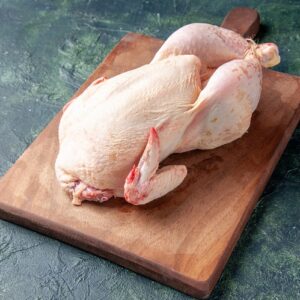
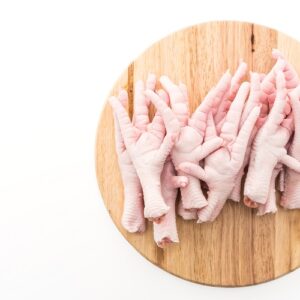
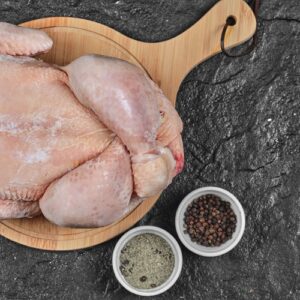
Whole Chicken Supply for Quality Global Food Markets
Whole chicken remains a popular choice for families, restaurants, retailers, hotels, and food service businesses. It is easy to prepare, works with many cooking styles, and offers several usable portions from one product.
For commercial buyers, choosing poultry is not only about price. Quality, freshness, processing, packaging, storage, and reliable supply all play an important role. Understanding these factors can help buyers make better purchasing decisions.
What Makes Whole Chicken a Popular Choice?
Whole chicken is valued for its flexibility. Instead of purchasing only one cut, buyers receive a complete bird that can be prepared in different ways.
It can be roasted for a family meal, grilled for a restaurant menu, or divided into portions for several recipes. Different parts can also be used separately, which makes the product practical for commercial kitchens.
Common uses include:
Roasting
Grilling
Baking
Soups
Stews
Curries
Broths
Portion-based meals
This wide range of uses keeps whole chicken relevant in both household and commercial food markets.
Nutritional Value of Chicken
Chicken is widely chosen as a source of protein. It can be included in balanced meals and paired with vegetables, grains, salads, and other ingredients.
Different parts of the bird have different nutritional profiles. Chicken breast is generally leaner, while other portions may contain more fat and offer a richer flavor.
Whole chicken gives consumers the option to use different parts according to their dietary preferences and recipes.
Fresh, Chilled, or Frozen Chicken
The condition in which chicken is supplied is an important consideration for buyers. Fresh and chilled products are generally intended for quicker distribution, while frozen poultry can be stored for longer periods when handled correctly.
For international trade, frozen poultry can be practical because shipments may travel long distances before reaching the final buyer.
Proper temperature control is essential throughout storage and transportation. Buyers should discuss storage conditions, packaging, handling requirements, and shipping arrangements with their supplier before confirming an order.
Whole Chicken for Restaurants and Food Businesses
Restaurants often need products that can work across different menu items. Whole chicken provides that flexibility.
A restaurant can roast the bird whole or divide it into portions. Meat can be used in sandwiches, salads, pasta, soups, curries, and other dishes. Bones can also be used for stocks and broths.
For caterers and food service businesses, the product can be useful when preparing meals for larger groups. Its versatility allows chefs to adapt recipes according to customer preferences.
Choosing Quality Poultry Products
Quality should always be considered when purchasing poultry in larger quantities. Buyers should understand exactly what they are ordering before finalizing a deal.
Important factors include:
Product Specification
Confirm the product type, size, weight, skin preference, and whether it is fresh, chilled, or frozen.
Packaging
Check the packaging format, weight per package, labeling, and suitability for transportation and storage.
Processing
Ask about processing and hygiene procedures. Clear product information helps buyers understand what they are receiving.
Quantity
Wholesale purchases can involve significant volumes. Confirm minimum order quantities and available supply in advance.
Logistics
Shipping schedules, storage requirements, delivery terms, and documentation should be discussed before an international shipment is arranged.
Brazilian Poultry for International Markets
Brazil has a large poultry industry and is an important source of chicken products for international buyers. Its agricultural production and established export infrastructure support the global movement of poultry and other food commodities.
Businesses sourcing Brazilian poultry should still check the specific requirements of their destination market. Import rules can vary between countries and may involve health certificates, approved facilities, labeling, customs documentation, and other requirements.
Working with an experienced export partner can make the process easier by helping buyers understand the necessary steps.
Why Reliable Supply Matters
For businesses, inconsistent supply can create problems. Restaurants may need regular poultry deliveries to keep menus running. Retailers need products that meet customer expectations. Distributors need dependable shipments to serve their own clients.
A reliable supplier should provide clear information about availability, specifications, packaging, pricing, and shipping.
It is also helpful to establish expectations before placing a large order. This reduces confusion and makes the purchasing process more straightforward.
Making the Most of Whole Chicken
One of the biggest benefits of whole chicken is the number of ways it can be used. A single bird can become several different meals depending on how it is prepared.
A simple roasted chicken can serve as the centerpiece of a meal. Leftover meat can be used in sandwiches, salads, wraps, or soups. Bones can be used to prepare stock.
This practical approach can help reduce food waste and make better use of the entire product.
Conclusion
Whole chicken continues to be a practical poultry choice for households and businesses because of its versatility, familiar taste, and wide range of culinary uses.
For commercial and international buyers, selecting the right poultry product requires attention to quality, processing, packaging, storage, documentation, and logistics. Brazilian poultry can be an option for businesses looking to source products for international markets.
Before placing an order, buyers should confirm the exact product specifications, available quantities, packaging, shipping conditions, and destination-market requirements. Taking these steps can help create a smoother and more dependable sourcing experience.
Frequently Asked Questions
What is whole chicken used for?
Whole chicken is commonly used for roasting, grilling, baking, soups, stews, curries, broths, and portion-based meals.
Can whole chicken be supplied with or without skin?
Yes, whole chicken can be supplied with or without skin depending on the product specification and buyer requirements.
Is whole chicken available fresh and frozen?
Whole chicken can be available in fresh, chilled, or frozen formats depending on the supplier, market, and shipping requirements.
Who buys whole chicken in bulk?
Restaurants, hotels, supermarkets, wholesalers, distributors, caterers, food processors, and other food service businesses can purchase whole chicken in bulk.
What should buyers check before importing whole chicken?
Buyers should check product specifications, quality standards, packaging, storage conditions, certifications, import regulations, documentation, quantity, and shipping arrangements.