Whole Chicken: Quality, Uses, and Global Poultry Supply
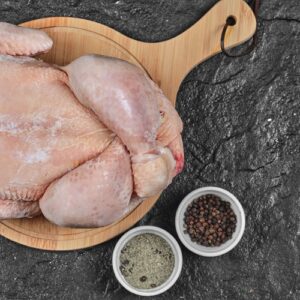
When people think about poultry, whole chicken is often one of the first products that comes to mind. It is simple, familiar, and useful in many different types of cooking. From family dinners to restaurant kitchens, whole chicken can be roasted, grilled, baked, or cut into smaller portions.
For businesses buying poultry in larger quantities, however, choosing the right product involves more than just looking at the price. Quality, freshness, processing, packaging, storage, and reliable delivery all matter.
Quick Answer
Whole chicken is a complete chicken prepared for cooking and can be supplied with or without skin. It is commonly used for roasting, grilling, baking, stews, soups, and portioning. It is suitable for households, restaurants, retailers, wholesalers, and food service businesses.
Whole Chicken for Everyday Cooking
Whole chicken is popular because there are so many ways to use it. A family can roast the entire bird for a weekend meal. A restaurant can prepare it with herbs and spices. A food business can divide it into portions and use the meat in several different dishes.
This flexibility is one of its biggest advantages.
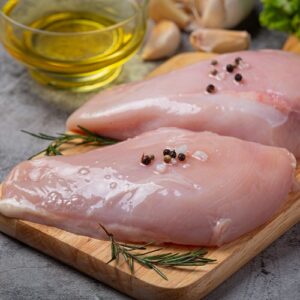
Different parts of the chicken can also be used in different recipes. Breast meat works well in salads and sandwiches. Legs and thighs are popular in curries, grilled dishes, and stews. Wings can be fried or grilled, while bones can be used to make stocks and broths.
So, instead of buying only one particular cut, a whole chicken gives kitchens more options.
Why Whole Chicken Remains Popular
There is a reason this product continues to have steady demand in different markets. It is familiar to consumers and fits into many cuisines.
Some common uses include:
Roasting for family meals
Grilling with herbs and spices
Baking with vegetables
Preparing soups and broths
Making curries and stews
Cutting into portions for food service
Preparing ready-to-cook meals
For restaurants and catering businesses, this flexibility can be especially useful. One product can be used across several menu items.
Fresh or Frozen Chicken: What Should Buyers Know?
When purchasing poultry, buyers usually need to decide between fresh, chilled, and frozen products. The right option depends on how the chicken will be stored, transported, and used.
Fresh or chilled poultry can be suitable when the product is going to reach the customer quickly. Frozen poultry can be more convenient when longer storage or international transportation is involved.
For overseas buyers, proper temperature control is particularly important. Poultry needs to be handled and stored correctly throughout transportation to help maintain its quality.
Before placing an order, buyers should ask about storage conditions, packaging, product specifications, and shipping arrangements.
Choosing the Right Chicken Product
Not every buyer needs the same type of poultry. A supermarket may want whole birds for retail customers, while a restaurant may need specific cuts for its menu.
Ango Comex lists several chicken products, including whole chicken with or without skin, chicken breast, legs, wings, chicken mince, liver, giblets, and other chilled or frozen cuts.
This range can be useful for businesses that need different poultry products rather than purchasing everything separately.
Product
Suitable For
Whole chicken
Roasting and family meals
Chicken breast
Salads, sandwiches and fillets
Chicken legs
Grilling, curries and stews
Chicken wings
Fried and grilled dishes
Chicken mince
Burgers and prepared foods
Liver and giblets
Traditional recipes and cooking
What Makes a Good Poultry Supplier?
Finding a supplier is easy. Finding one that consistently meets your requirements is more important.
Before buying, take some time to ask questions about the product. What is the average size? Is it fresh or frozen? Is the skin included? How is it packaged? What are the storage requirements?
For international orders, there are additional questions. Buyers should understand the export documentation, destination-country requirements, shipping arrangements, and expected delivery schedule.
It is also worth checking whether the supplier has experience working with international buyers. Good communication can save a lot of time when dealing with large orders.
Brazilian Chicken for International Markets
Brazil is a major player in the global poultry industry. Its established agricultural sector and export infrastructure make Brazilian poultry products relevant to buyers in many international markets.
For an importer, the supplier relationship is just as important as the product itself. Clear communication about specifications, quantities, packaging, documentation, and delivery can make the buying process much smoother.
Ango Comex works with Brazilian products for international markets and lists chicken within its animal products portfolio. Its product information highlights chicken sourced from farm-raised poultry and processed in hygienic facilities.
Buyers should still confirm the latest product specifications, availability, certifications, and destination-market requirements directly before placing an order.
How to Get the Best Value From Whole Chicken
Getting good value does not always mean choosing the cheapest option. It means choosing a product that works well for your particular needs.
For a restaurant, that might mean selecting a size that suits its portions. For a supermarket, consistent presentation and packaging may be more important. For a wholesaler, dependable supply and shipping can make a bigger difference.
It helps to compare suppliers based on:
Product quality
Available sizes
Fresh or frozen options
Packaging
Minimum order quantity
Export experience
Delivery arrangements
Documentation
Taking these points into account can help avoid problems later.
A Versatile Choice for Food Businesses
Whole chicken has remained a staple because it is practical. It does not require a complicated cooking method, and it can be adapted to almost any style of cuisine.
A home cook can make a simple roast. A restaurant can create a signature grilled dish. A food processor can turn the meat into prepared products. This versatility keeps whole chicken relevant across both retail and commercial markets.
For buyers looking at Brazilian poultry, Ango Comexprovides a product range that includes whole chicken and several other chicken cuts. The best approach is to discuss your exact requirements with the supplier before making a purchasing decision.
Conclusion
Whole chicken is more than just another poultry product. Its versatility, familiar taste, and wide range of uses make it a practical choice for homes and businesses alike.
For commercial buyers, the important part is finding a product and supplier that match their needs. Quality, processing, packaging, storage, documentation, and logistics should all be considered before an order is confirmed.
Whether the goal is retail distribution, restaurant supply, or food processing, understanding these factors can make poultry sourcing easier and more reliable.
Frequently Asked Questions
What can whole chicken be used for?
Whole chicken can be roasted, grilled, baked, or divided into portions for soups, curries, stews, sandwiches, salads, and other meals.
Is whole chicken available with or without skin?
Yes. Whole chicken can be supplied with or without skin, depending on the product specification and buyer’s requirements.
What other chicken products can buyers source?
Buyers can commonly source chicken breast, legs, wings, mince, liver, giblets, and other chilled or frozen chicken cuts.
What should I check before importing whole chicken?
Check product specifications, packaging, storage conditions, certifications, import requirements, documentation, minimum order quantity, and shipping arrangements.
Why is Brazilian chicken popular in international markets?
Brazil has a well-established poultry industry and export infrastructure, making Brazilian chicken products an important option for international poultry buyers.